Five Training Moments That Changed How I Show Up for Couples
When people ask what it’s like to train as a couples therapist, I usually say it’s equal parts humbling and inspiring. You learn techniques, sure—but the real shifts happen in those unexpected moments when something clicks and you see relationships (and yourself) differently. Here are five training experiences that fundamentally shaped how I work with couples today.
1. Watching My First Live Session (And Realizing I Had No Idea What I Was Doing)
I still remember sitting in the observation room, watching a master therapist work with a high-conflict couple. The energy was intense—interruptions, defensiveness, that familiar “you always / you never” spiral. I expected the therapist to jump in with quick fixes, but instead they brought this steady calm that somehow changed the temperature in the room.
What struck me most was how they were reading the room on multiple levels at once. They tracked the words, the tone, the micro-expressions, the way one partner’s foot started tapping when the other raised their voice. It felt like they were holding two inner worlds simultaneously—without getting pulled into either one.
And then it hit me: this work isn’t just about what you say. It’s about who you are while you’re saying it. The therapist’s ability to stay present—really staying grounded—made me realize how much self-awareness it takes to be helpful when emotions run hot. I left that day both intimidated and deeply motivated.
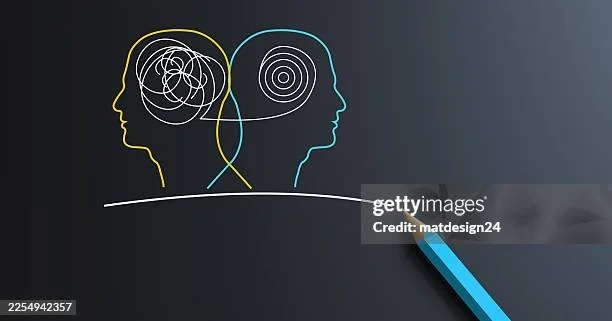
2. The Day I Learned About Countertransference (The Hard Way)
There was a session early in my training where I felt myself getting unusually tense. One partner reminded me—too closely—of someone from my own past. I noticed I was leaning in when the other partner spoke, nodding more, feeling protective… and I told myself it was just because I was “picking up on the dynamic.”
Then supervision happened. My supervisor gently asked a question that landed like a spotlight: “What’s getting activated in you right now?” That was my first real encounter with countertransference—not as a concept in a textbook, but as something alive in my body and reactions.
It was uncomfortable to admit I’d been subtly siding with one partner. But it also felt freeing, because it gave me a path forward: notice it, name it (internally), and get curious. That day taught me that my blind spots don’t make me a bad therapist—they make me a human therapist who needs support, reflection, and ongoing practice.
3. Seeing a Couple Shift from Blame to Vulnerability in Real Time
I used to think “breakthrough moments” were rare and dramatic. But one of the most powerful shifts I witnessed was actually quiet. A couple came in locked in blame—each one building a case for why the other was the problem. The room felt tight, like there wasn’t enough air for both of them.
With careful pacing, the therapist helped them slow down and listen for what was beneath the anger. And then it happened: one partner’s voice cracked, and instead of another accusation, they said something closer to the truth—something like, “I’m scared I don’t matter to you.” The other partner’s whole posture changed.
I felt it in my own chest. That shift—from attack to tenderness—reminded me that so many fights are really about longing for connection. Watching that transformation reinforced why I do this work: because even in the mess, there’s often love trying to find its way back out.

4. Learning to Slow Down (When Everything in Me Wanted to Fix It)
If you’re a helper by nature, you know the urge: someone is hurting, so you want to make it better—fast. In my early training, I would hear a couple describe a painful pattern and my mind would race toward solutions. Communication tools. Scripts. Homework. Anything to relieve the tension in the room.
One training exercise changed that for me. I was taught to pause—sometimes for longer than felt polite—and to notice what was happening inside me when I wanted to rush. That’s when I started to understand therapeutic presence: the ability to stay with what’s true, even when it’s uncomfortable.
Slowing down didn’t mean doing nothing. It meant listening more precisely, tracking the cycle, and letting the couple feel what they were actually feeling—without me trying to rescue them from it. Over time, I learned that real change often comes from trusting the process, not forcing an outcome.
5. My First “Aha” Moment About Attachment Patterns
I’d heard about attachment theory long before it truly clicked. But then I watched a couple where one partner pursued—questions, texts, repeated bids for reassurance—while the other withdrew into silence. It looked like “neediness” on one side and “coldness” on the other… until the therapist reframed it in a way that changed everything for me.
The pursuing partner wasn’t trying to control. They were panicking and reaching. The withdrawing partner wasn’t trying to punish. They were overwhelmed and protecting themselves. Both were attempting connection, just in opposite directions. Seeing that pursuit as protest behavior helped me hold more compassion for what was happening in the cycle.
And when the therapist named the deeper wounds—those moments of disconnection that linger and shape how we react—I finally understood attachment injuries in a lived, practical way. It gave me a map: not to label couples, but to help them find each other again with more clarity and care.
If I had to sum it up, these moments taught me to stay curious—about the couple’s story and about my own reactions. They taught me to keep doing my inner work, to ask for consultation, and to remember that the most important thing I bring into the room is my steadiness and care.
They also reminded me that change doesn’t usually happen in one grand gesture. It happens in small moments: a softer tone, a brave sentence, a pause instead of a shutdown.
If you’re considering couples therapy and wondering whether things can feel different, I’d love to support you—reach out anytime to schedule a consultation